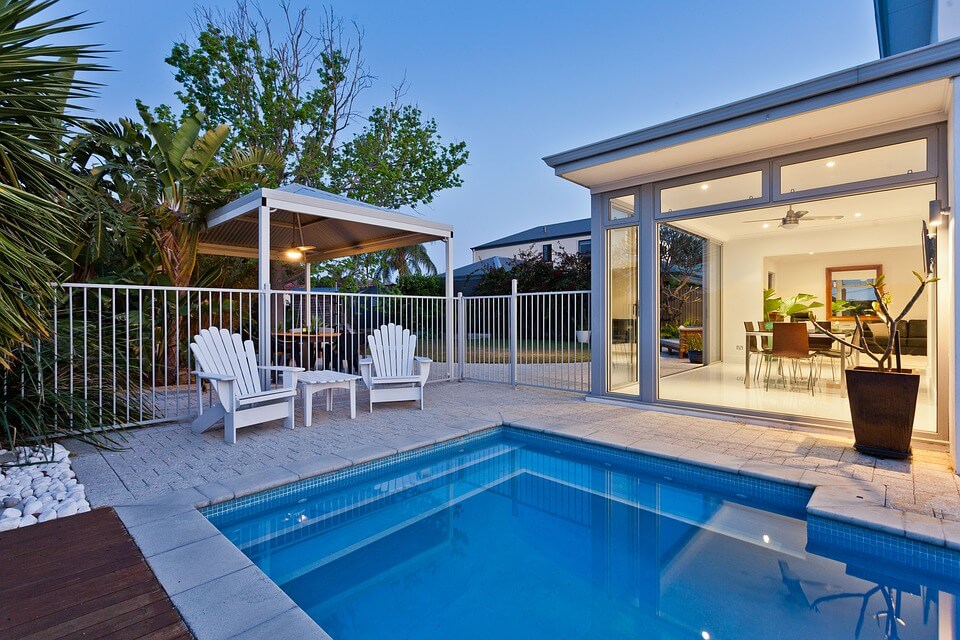
The Importance of Proper Pool Maintenance
Owning a custom pool is a big deal. It’s more than a place to cool off on a hot day—it’s a space for relaxing, entertaining, and making memories. But let’s face it, a pool doesn’t take care of itself. Without regular maintenance, that sparkling backyard oasis can quickly turn into a headache. Algae, cloudy water, and malfunctioning equipment are problems no one wants to deal with.
By staying on top of pool care, you’ll save yourself time and money in the long run. Clean water and well-maintained equipment aren’t just about appearances—they’re about safety too. No one wants to swim in a pool with unbalanced chemicals or debris floating around. Taking care of your pool means you get to enjoy it worry-free, whether you’re hosting a summer barbecue or just enjoying a quiet evening swim.
In Ottawa, pool maintenance comes with its own unique challenges. The extreme temperature swings between summer and winter can take a toll on your pool if you’re not careful. That’s why it’s so important to have a plan. When you know what to do and when to do it, maintaining your pool becomes part of the routine, not an overwhelming chore.
Understanding Ottawa’s Unique Climate and Its Impact on Pool Maintenance
Living in Ottawa means dealing with seasons that can be unpredictable and extreme. Pools here face the challenge of freezing winters and humid summers, making year-round care a must. Each season brings its own set of tasks, and missing one step can lead to costly repairs or frustrating downtime.
During the summer, your pool sees heavy use. Ottawa’s warm, humid weather is perfect for pool days, but that also means higher risks of algae growth and fluctuating water chemistry. Leaves, pollen, and dirt from the surrounding area can quickly build up, especially after a windy day. Regular cleaning and balancing the water are key to keeping everything running smoothly.
When winter rolls around, the stakes are even higher. Freezing temperatures can damage pool liners, pipes, and equipment if your pool isn’t properly winterized. Ottawa’s long, cold winters make it critical to protect your pool from the elements. Properly draining water, adding antifreeze where needed, and securely covering your pool are just a few steps to get through the off-season without issues.
Ottawa’s climate doesn’t have to be a dealbreaker for enjoying a custom pool. By adapting your maintenance routine to the seasons, you can keep your pool in top shape year-round. It’s all about understanding the local conditions and staying proactive.
Setting Up a Cleaning Schedule for Optimal Pool Performance
Keeping your pool clean isn’t just about aesthetics—it’s essential for the health of your pool and its water quality. Ottawa’s seasonal changes bring all kinds of debris into your pool, from fallen leaves in the fall to bugs and dirt during the warmer months. Having a regular cleaning schedule is the best way to ensure your pool stays pristine and safe for swimming.
You don’t have to be a pool expert to clean your pool properly. A good cleaning routine is simple and will help you catch small issues before they become big problems. Start with the basics. Skim the surface of the water every day to remove leaves, twigs, and bugs. A skimmer net or leaf rake works well for this job. This might seem like a small task, but it makes a big difference in preventing debris from sinking to the bottom or clogging your filters.
In addition to daily skimming, you’ll need to vacuum your pool once a week. This helps get rid of any dirt or debris that settles on the bottom. Depending on your pool’s size and the surrounding environment, you may need to vacuum more often. Automatic pool vacuums are an option, but if you want a thorough clean, a manual vacuum will give you more control.
Don’t forget about the pool’s filter system. It plays a major role in keeping the water clear and clean. Check your filter every week to make sure it’s running smoothly and that no debris is clogging the system. Most filters need to be cleaned once a month, but the frequency may vary depending on how often the pool is used and the surrounding conditions.
By sticking to this simple cleaning schedule, you’ll keep your pool looking great and running efficiently all year long. You won’t have to worry about cloudy water or clogs, and you’ll catch issues before they can cause bigger problems.
Water Treatment Essentials: Balancing Chemicals for Safety and Comfort
One of the most important parts of pool maintenance is keeping the water in balance. Properly balanced water helps prevent issues like cloudy water, skin irritation, and algae growth. Ottawa’s tap water can vary in its chemical composition, so it’s essential to monitor the pool’s chemistry regularly.
Start by testing the pH level of your pool water. The ideal pH range for pool water is between 7.2 and 7.8. If the pH is too high or too low, it can cause irritation to your skin and eyes, not to mention damage to the pool’s equipment. If the pH level is off, you can adjust it using pH increasers or decreasers, which are widely available at pool supply stores.
Next, check the chlorine levels. Chlorine keeps the pool water sanitized and free of harmful bacteria. The ideal chlorine level is between 1 and 3 parts per million (ppm). Low chlorine levels can result in cloudy water and allow bacteria to thrive, while too much chlorine can irritate your skin and eyes. Adding chlorine tablets or liquid chlorine will help maintain proper levels.
Stabilizer, or cyanuric acid, is another important chemical for outdoor pools, especially in Ottawa’s sunny summers. This chemical helps prevent chlorine from being broken down by the sun’s UV rays. A stabilizer level of 30–50 ppm is ideal. Keep an eye on the stabilizer levels, as they can drop over time, especially after heavy rain or if you frequently add water to replace evaporation.
To make sure your pool stays clean and clear, you should also check for other chemicals like calcium hardness and alkalinity. If these levels are too high or low, it can lead to issues like scale buildup or corrosion. Regular testing (at least once a week in summer) and adjusting the chemicals as needed will ensure your pool is safe, comfortable, and sparkling.
Seasonal Pool Care: Preparing for Ottawa’s Harsh Winters
Ottawa winters can be brutal, and they can wreak havoc on a pool that’s not properly prepared. Freezing temperatures can cause serious damage to the pool’s plumbing, liner, and equipment if you don’t take the necessary steps to protect it. Fortunately, with a little preparation, you can ensure that your pool is safe through the colder months and ready to go once the warm weather returns.
Start by cleaning the pool thoroughly before you begin winterizing. Skim the surface, vacuum the bottom, and remove any debris from the water. Then, lower the water level to just below the skimmer. This is important because if the water level is too high, it can freeze and cause the skimmer or pipes to crack.
Once the pool is cleaned and drained, it’s time to treat the water. Add a winterizing chemical kit to the water to prevent algae growth and other issues over the winter. These kits usually include algaecides and other chemicals that stabilize the water, so it doesn’t become a breeding ground for algae while the pool is covered.
After treating the water, it’s time to cover your pool. Use a high-quality, durable winter cover that fits securely over the entire pool. A cover prevents debris from getting into the pool and protects the pool from snow and ice buildup. Some pool owners also choose to install a winterizing plug to prevent water from freezing in the skimmer.
Finally, don’t forget about your pool’s equipment. Remove any items like ladders, diving boards, and pool cleaners to store them safely for the winter. If you have a pool heater or pump, it’s a good idea to have them serviced before shutting them down for the season. Some pool owners also blow out the pipes to ensure no water remains, which can freeze and cause cracks.
Winterizing your pool is a big job, but it’s an investment in the long-term health of your pool. Taking the time to properly prepare for winter will prevent costly repairs and ensure your pool is ready to be opened up again once the weather warms up.
Summer-Ready Pools: Opening Tips for Ottawa’s Swim Season
The long Ottawa winter is finally over, and now it’s time to get your pool ready for summer! Reopening a pool isn’t as simple as just removing the cover and jumping in—it takes a few key steps to ensure the water is safe and the equipment is running properly. If you’ve properly winterized your pool, the process will be much easier, but there are still some things to check before your first swim of the season.
Start by inspecting the pool cover. If you used a solid cover, make sure it’s free of debris and any trapped water before removing it. Be gentle when removing the cover, as any trapped dirt or leaves could end up in the pool. Once the cover is off, use a skimmer to remove any debris that made it past the cover.
Next, check the pool’s water level. If the water level is too low, you’ll need to add water to reach the correct level (just below the skimmer). After that, it’s time to turn on your pool’s equipment. Start with the pump and filter, and let them run for at least 24 hours. This will allow the system to get rid of any dirt or debris left in the pipes from the winter months.
Once the equipment is running smoothly, it’s time to test the water. Check the chemical levels, including pH, chlorine, and alkalinity, and adjust them as needed. It’s normal for the chemical balance to be off when reopening the pool, so be prepared to make a few adjustments. Once the chemicals are balanced, run the filter for a few hours to help clear up any cloudy water.
Opening your pool for the season takes a little time and attention, but the rewards are well worth it. By following these steps, you’ll ensure a safe, clean pool that’s ready for summer fun.
Common Pool Maintenance Mistakes to Avoid
Even the most experienced pool owners can make mistakes when it comes to maintenance. Some mistakes can be minor, but others can cause significant issues with your pool’s health, water quality, and equipment. Let’s take a look at some common pool maintenance errors and how to avoid them.
One of the most common mistakes is neglecting regular cleaning. While it’s easy to assume that the pool will stay clean just because the water looks clear, even a few days without skimming or vacuuming can result in debris buildup. This can affect the water’s chemistry and clog the filter. Stick to your cleaning schedule, and you’ll avoid unnecessary headaches.
Another mistake is over-chlorinating your pool. Chlorine is essential for sanitizing the water, but too much can cause skin irritation and damage your pool equipment. It can also lead to a strong chlorine smell that’s anything but inviting. Be sure to test the chlorine levels regularly and adjust as needed.
Many pool owners also overlook the importance of regular equipment maintenance. Your pool pump and filter are the heart of your pool’s circulation system, and without them working properly, your pool will quickly go downhill. Clean the filter regularly, and make sure the pump is running efficiently.
Keep Your Pool Pristine with Expert Help
Maintaining a custom pool may seem like a lot of work, but with a little planning and routine care, it becomes second nature. Taking care of your pool helps ensure that it stays clean, safe, and ready for relaxation. Whether you’re enjoying it in the summer heat or preparing it for Ottawa’s cold winters, understanding the seasonal needs of your pool is the key to its longevity.